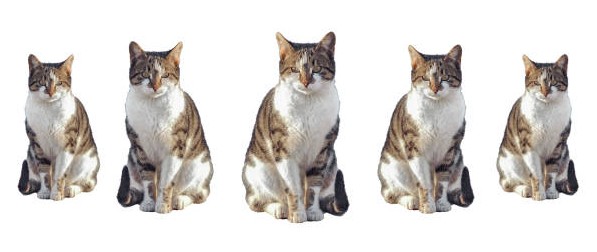
Recently, Tom Brady cloned his dog, Lua. How is this scientifically possible?
The method used is called somatic nuclear transfer. The nucleus, or core, of a cell is taken from any cell in an animal’s body– in the case of Lua, blood cells– and a fertilized egg cell of the same, or similar, species has its nucleus removed. The nucleus from the animal being cloned is then put into the egg cell, effectively making a nearly genetically identical being. The clone is not entirely genetically identical, and not just because of mutations; the mitochondria of the original organism are also preserved. The egg is then implanted into the uterus of a host organism of the same or similar species, and pregnancy is carried out as normal.
Cloning does not guarantee that the temperament or even the appearance of the original organism will be replicated in the clone, as those attributes are partially developmental. In addition, different genes may be turned on or off between the organism and the clone, resulting in different outcomes from what is expected. In certain animals, development in the womb is a factor in many characteristics.
Worryingly, the effectiveness of cloning is low. Implantation rates, as well as miscarriage rates, are high among cloning attempts, in addition to defects and death soon after birth. It is also possible for the immune system of the host mother to not recognize the clone as her offspring, attacking and destroying the fetus. All of these previously mentioned can cause grief from the mother, or even death.
For one person’s pet to be cloned, many eggs may have their nucleus removed, and multiple pregnancies and even maternal deaths are likely to occur before the birth of a cloned animal. In species that have multiple offspring, a litter of clones is born, possibly from hundreds of identical eggs, and the not chosen clones are put up for adoption.
But, it could be argued that cloning is worth it. Having a beloved pet seemingly return from the grave could help with the grieving process of losing a pet. Cloning is also used to clone working dogs that are excellent at their jobs, so that working animals are more efficient. Future technologies could also improve maternal death rates and lessen deformities. After all, cloning was first successfully done less than 30 years ago.
On the other hand, there are many animals available for adoption that could also dampen the sorrow of loss. Hundreds of thousands of animals per year are euthanised in the US due to a lack of resources. Unwanted clones are also sent to shelters, alongside other animals that could have been adopted. If someone clones their pet because of how unique they are, how much they love this pet in particular, but there are multiple clones of that pet now up for adoption, is the pet truly still special? Unnaturally interfering with the natural process of grief may also be harmful to how one may feel about other passings in their life.
In the end, technology for cloning is currently underdeveloped, and the risks may outweigh the benefits, at least until more stable and effective technology is developed.
Jillian Parad, Staff Writer
,Jillian Parad is a sophomore at Ledyard High School. She likes music, cats, and video games.
 COLONEL NEWS